Differential probes

Home > Products > Measuring Instrument > Differential probes > Details
25MHZ/1500V High Voltage Differential Probe

25MHZ/1500V High Voltage Differential Probe

0
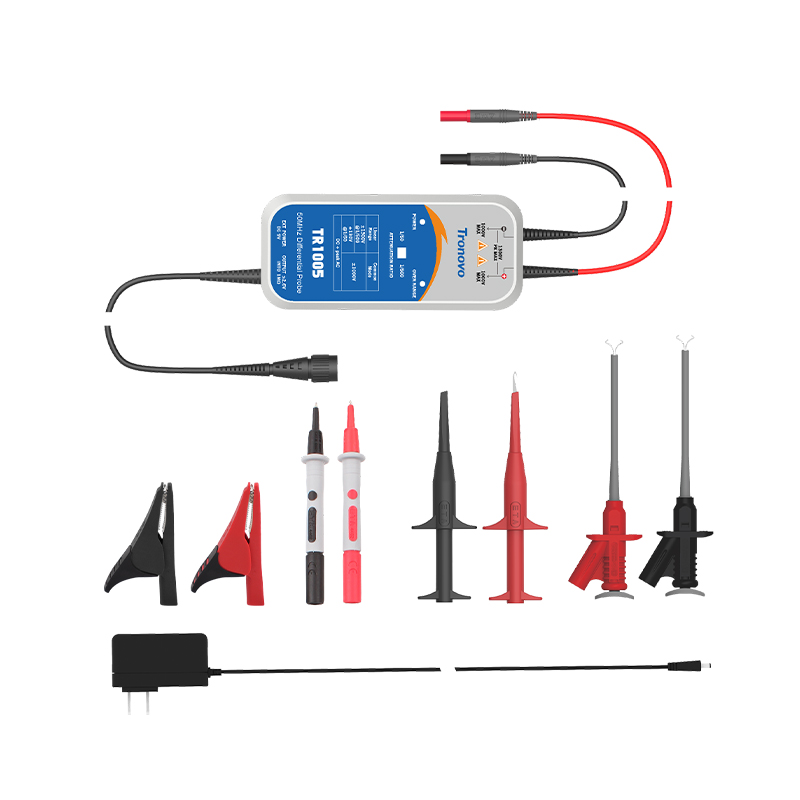
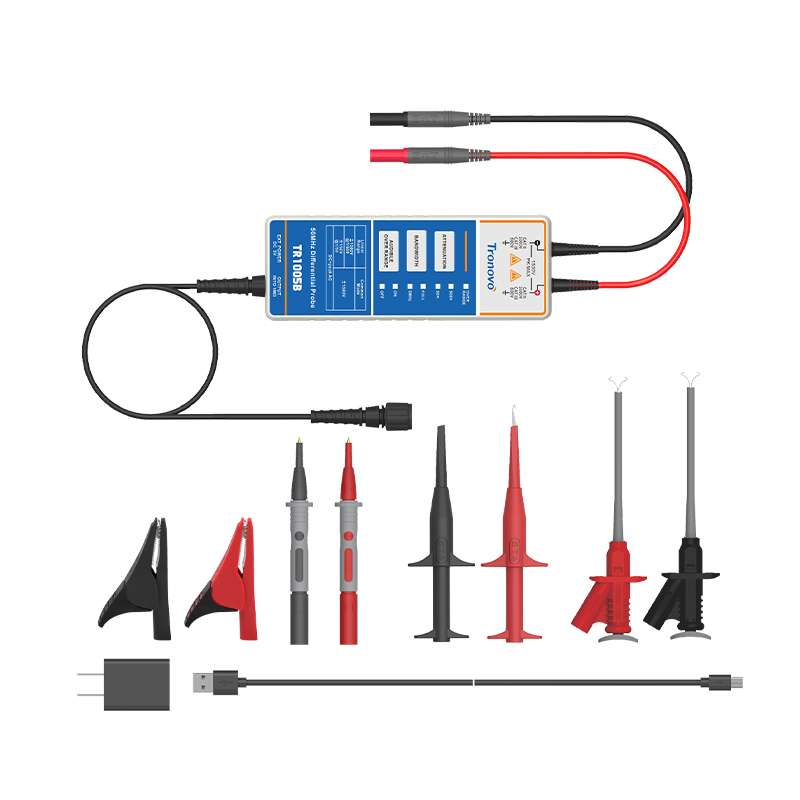
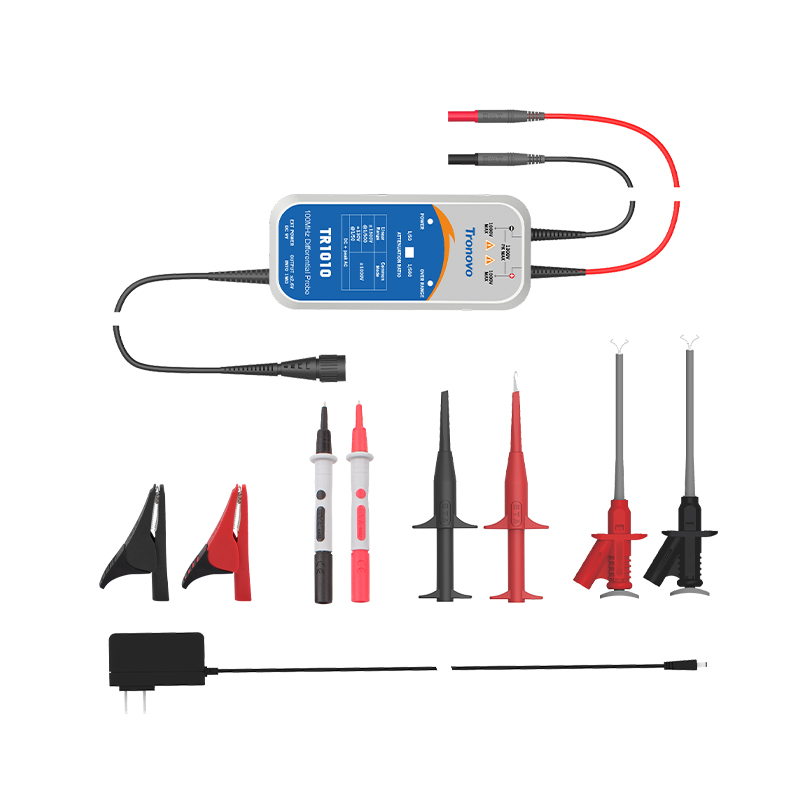
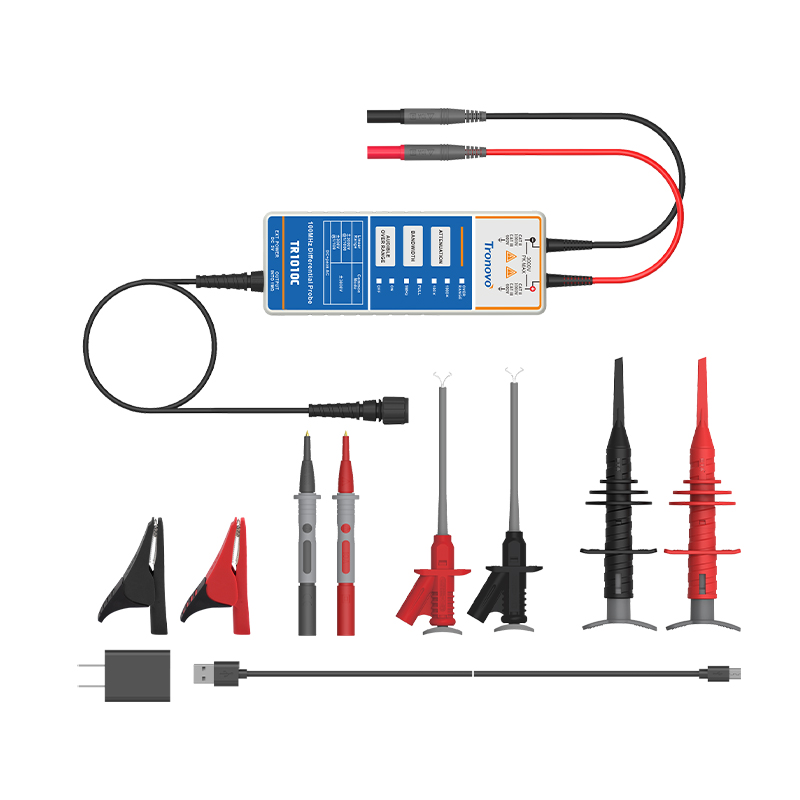
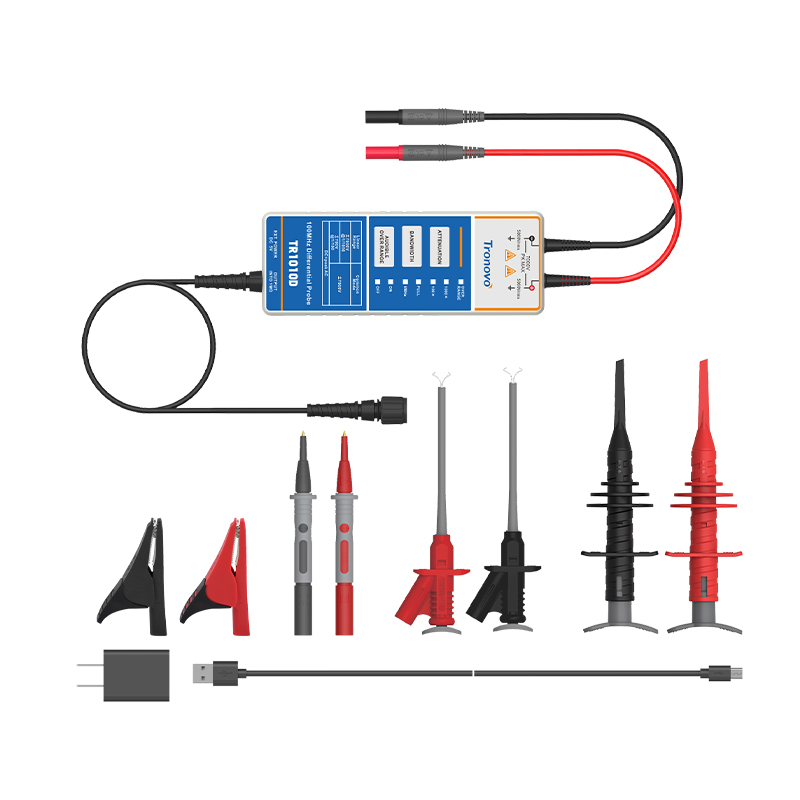
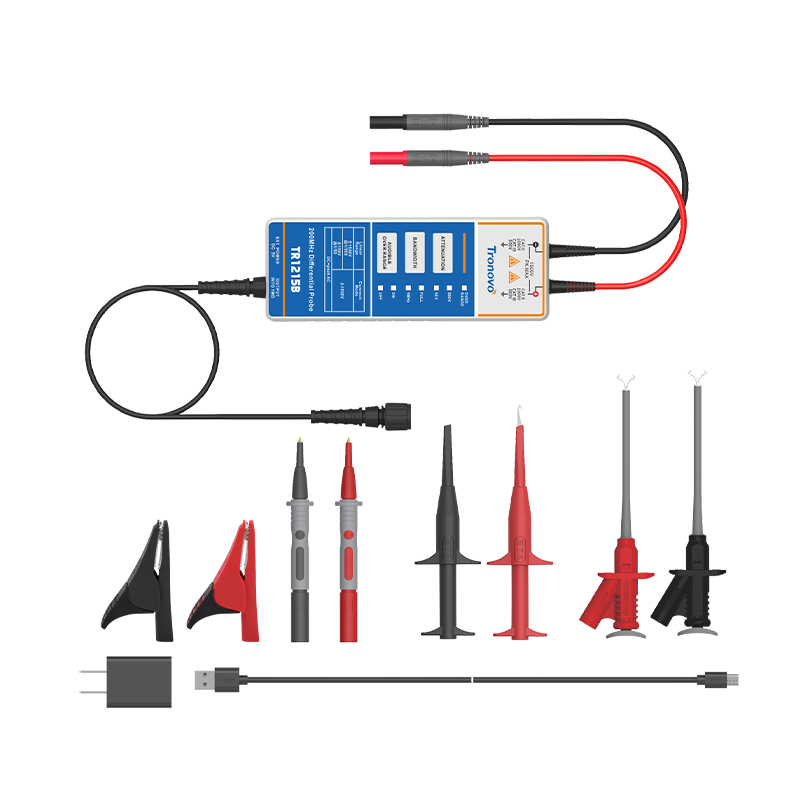
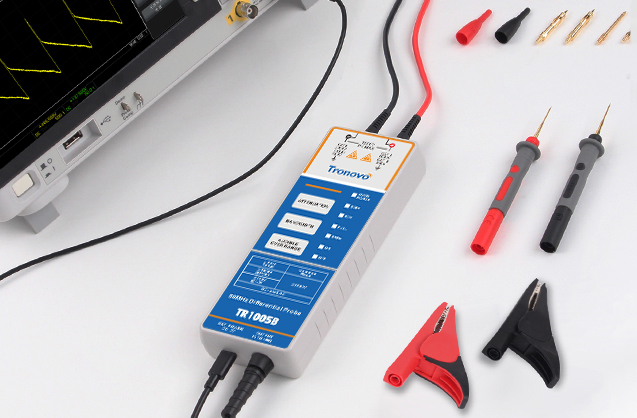
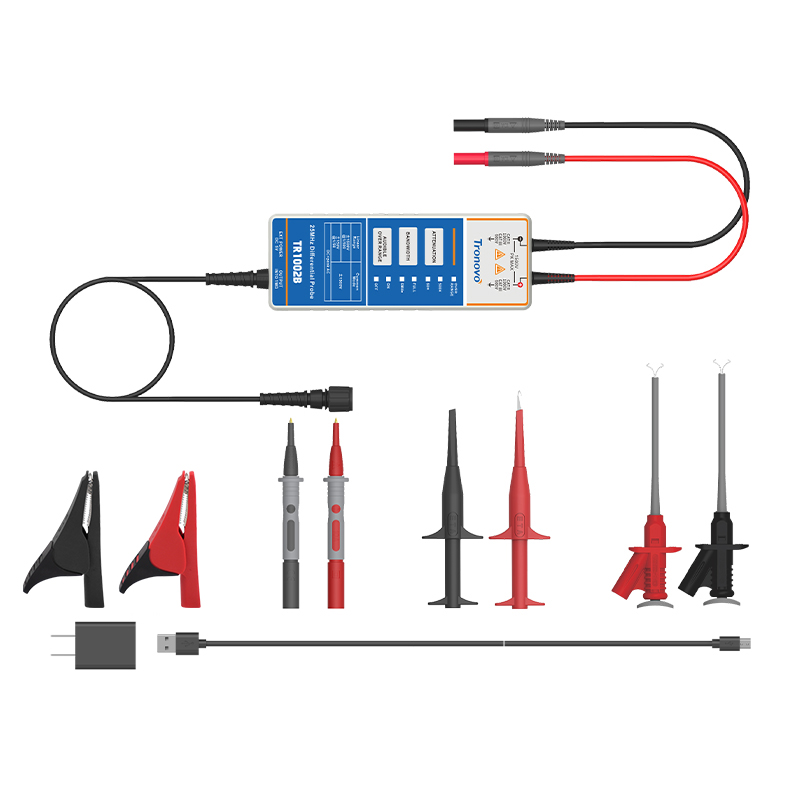
This high-voltage differential probe is designed for accurate measurement of high-voltage floating signals, safely measuring the voltage difference between two non-ground-referenced test points. It features switchable 50X / 500X attenuation and safely measures differential voltage up to ±1500 V. Its high input impedance greatly reduces loading effects on the DUT and ensures measurement accuracy. An optional bandwidth limit suppresses high-frequency noise for cleaner waveforms.
Performance
❯ Motor drive and inverter testing
❯ Power converter and inverter analysis
❯ Switching power supply design and debugging
❯ High-voltage floating signal measurement and troubleshooting
Key Features
❯ Standard BNC output connector
❯ Industry-leading high-stability CMRR technology
❯ Zero adjustment function with electronic touch-key design
❯ Comprehensive probe accessories for complex test scenarios
❯ Industry-leading low-distortion waveform measurement technology
Downloads

You may also be interested in these products

Product Parameter

  • Model
  • TR1002B
  • Bandwidth (-3dB)
  • 25 MHz
  • Rise Time
  • ≤5 ns
  • Accuracy
  • ±2%
  • Range (Attenuation)
  • 50×/ 500×
  • Max. Differential Voltage (DC+Peak AC)
  • 50× ±500V / 500× ±1500V
  • Max. Input to Ground (Vrms)
  • 600 V CAT III / 1000 V CAT II
  • Input Impedance
  • Single-Ended (to GND): 5 MΩ ±1% / Two Inputs: 10 MΩ ±1%
  • Input Cap
  • Single-Ended (to GND): <4 pF / Two Inputs: <2 pF
  • CMRR
  • DC:>80 dB / 100 kHz: >60 dB / 1 MHz: >50 dB / 3.2 MHz:>30 dB / 50 MHz: >26 dB

Product Details

1689235810411851.png

High performance differential probe

The probe is certified for ISO17025 calibration and meets IEC61010 high voltage safety standards. The BNC interface conforms to military and automotive electronic protocols (such as CAN bus) and is suitable for the harsh EMC environment of aerospace and rail transportation. Educational institutions can be purchased in batches for power electronics experimental teaching and training a new generation of engineers with standard operating skills.

Measuring advantages

The differential probe optimized for GaN/SiC devices supports 100V/ns ultra-fast dV/dt change, and the aluminum nitride ceramic isolation medium withstands 1500V silicon carbide device double pulse test. Opto-coupled technology enables zero electrical connection between the front of the probe and the oscilloscope, allowing engineers to safely capture precise details of 10ns dead time.

1682751213592601.jpg
1682751239835596.jpg

CMRR Common Mode Rejection Capability

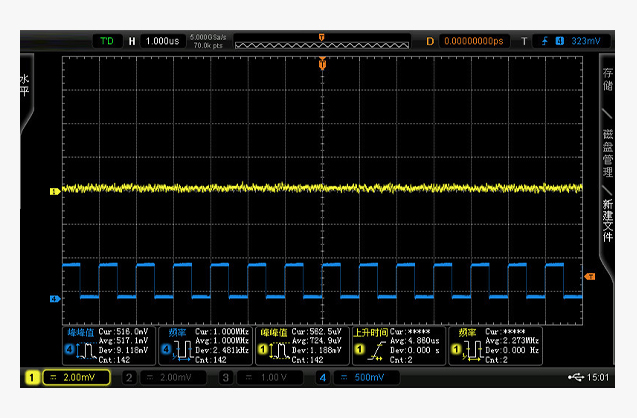
Common Mode Rejection Ratio (CMRR) refers to the ability of a differential probe to reject any signal common to two test points in a differential measurement. If the CMRR index of the differential probe is not good, the common mode voltage will be added to the differential voltage to cause measurement error.

Bandwidth Limit

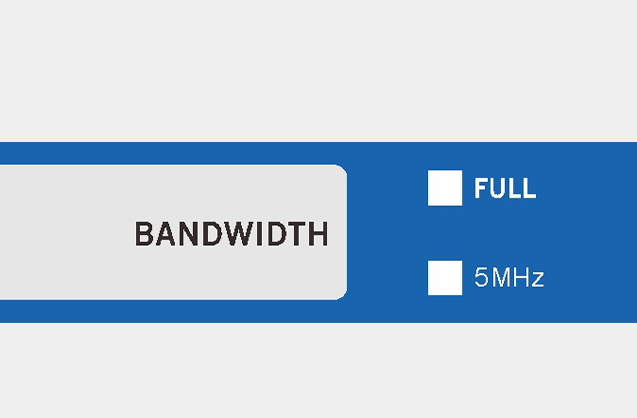
The probe bandwidth can be limited to 5MHz, which is close to the switching frequency of most switching transistors (FETs) in a switch-mode power supply (SMPS). The 5MHz filter eliminates high frequency content, noise and harmonics from the instrument to facilitate the characterization and testing of switch mode power supplies.

1682751269879445.jpg
1682751335156602.jpg

Noise test

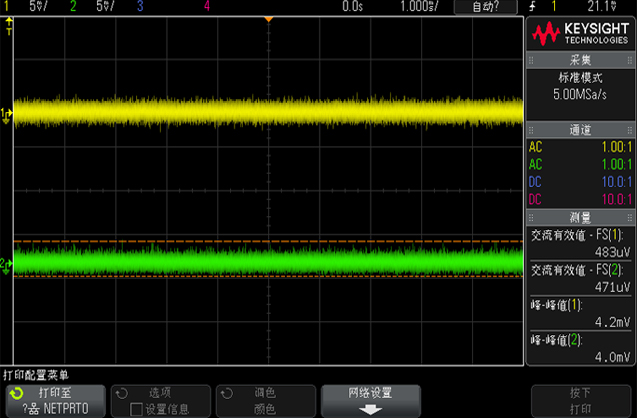
Differential probe bottom noise measurement operation: use a special short-circuit accessory to connect the probe input, the oscilloscope selects the AC coupling mode, and the vertical gear is adjusted to the waveform accounting for 60-80% of the screen height. Setting the time base to 1ms/div ensures that a full cycle is captured and the average sampling mode is enabled. Adjust the trigger level to the bit line in the waveform and measure the effective value noise (Vrms) after verifying that the waveform is stable.

.

Product Video

TAG:

Related Articles