 |
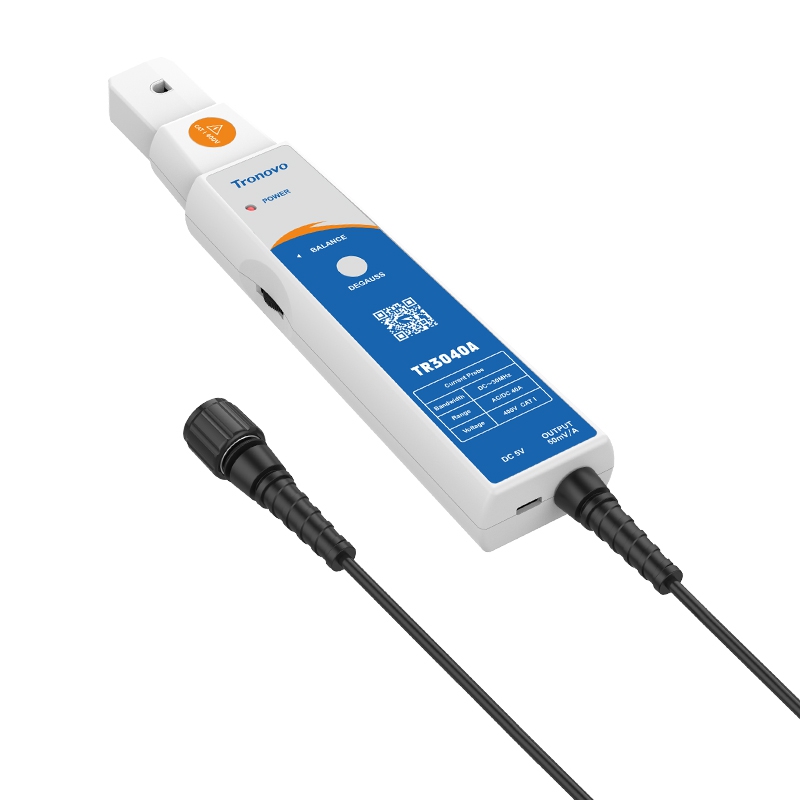
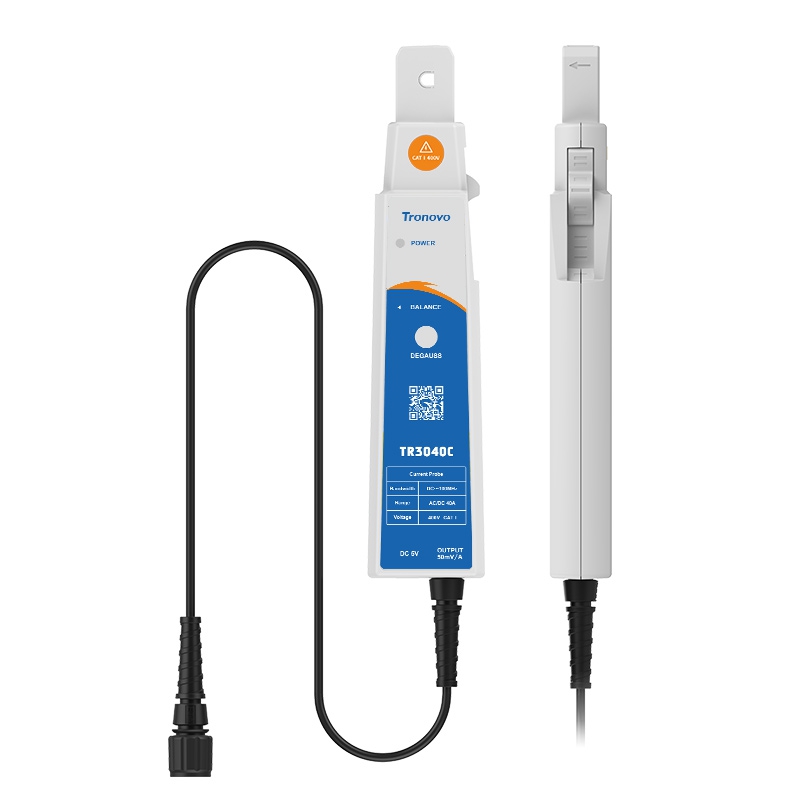
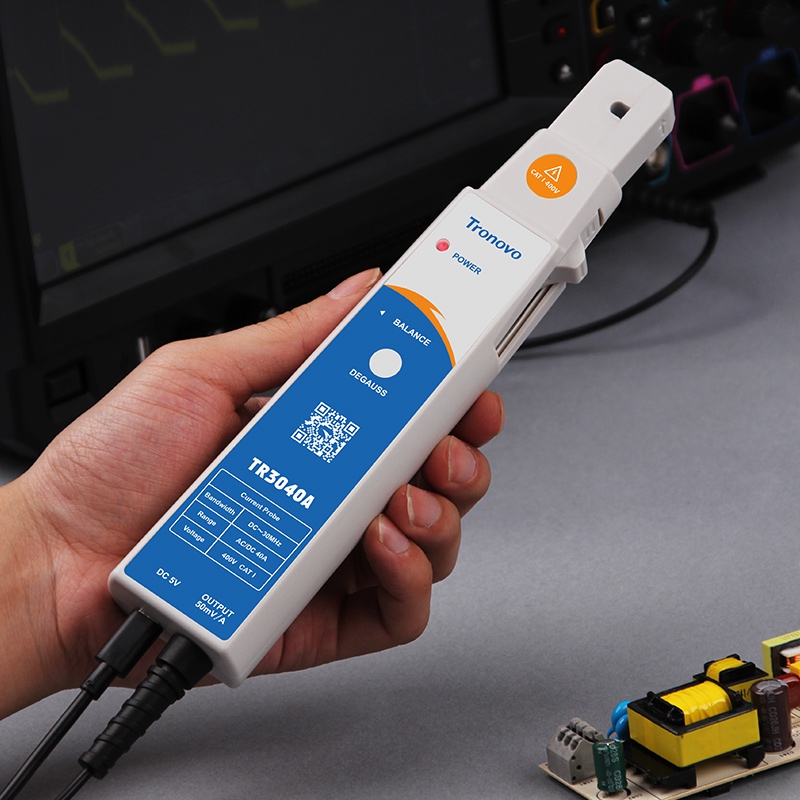
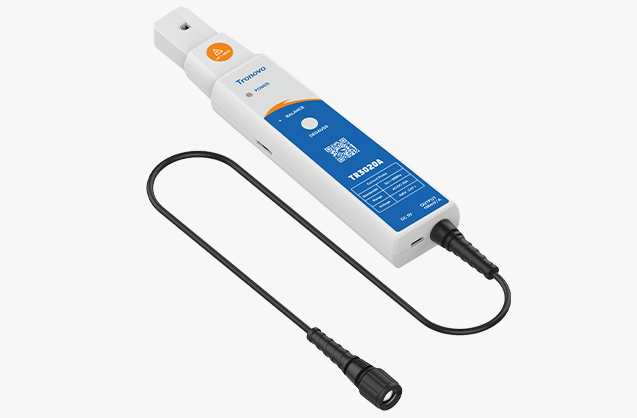
Basic AC/DC probeThe TR3040A has become the benchmark for high-current applications with a bandwidth of 30MHz and an effective value of 40A DC/28A AC (Figure 12). The conversion ratio of 50mV/A supports the peak current analysis of power electronics and new energy systems. Compatible with oscilloscopes of various brands through standard BNC interface, setting DC coupling and 1MΩ impedance, stretching opening design simplifies conductor installation process. |
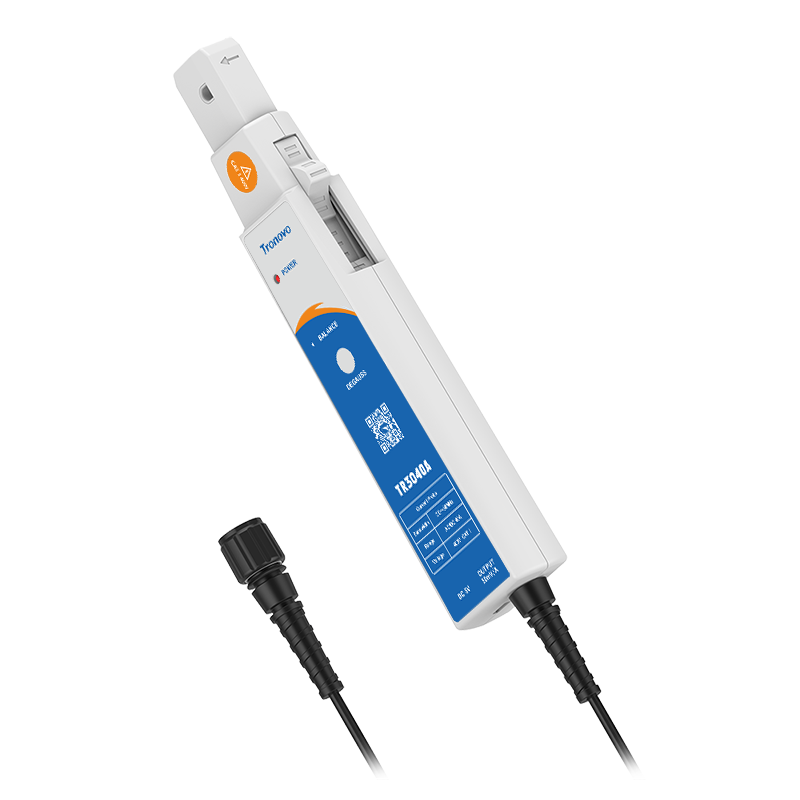
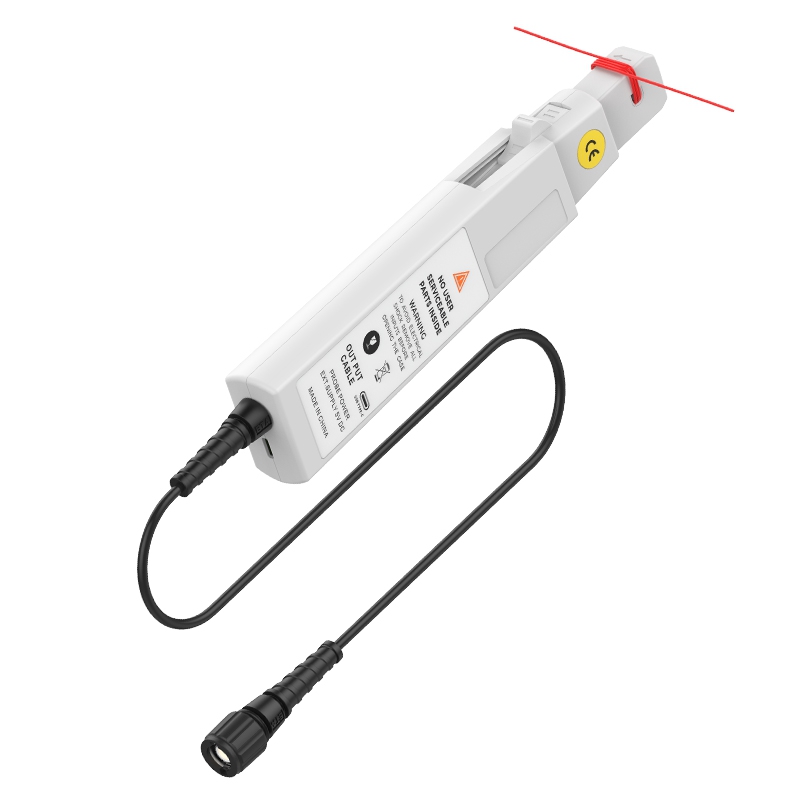
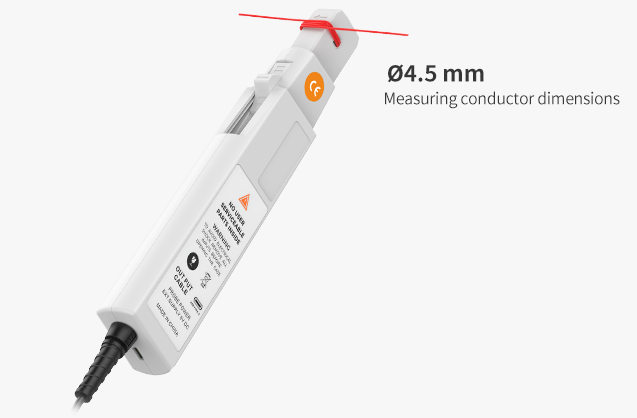
Pincer openingThe clamp-shaped opening design simplifies the high-current test: lightly press the handle to open the 4.5mm card slot, put in the wire and lock it, and continuously operate to reduce the high-voltage risk of the new energy inverter or charging pile. The long and narrow body reduces the occupation of installation space, the 4.5mm conductor compatibility optimizes the clamping accuracy, and with the accuracy of 2%, the current transient can still be accurately captured in the 40A DC scenario, thus improving the troubleshooting efficiency of on-board equipment and power electronics. |
 |
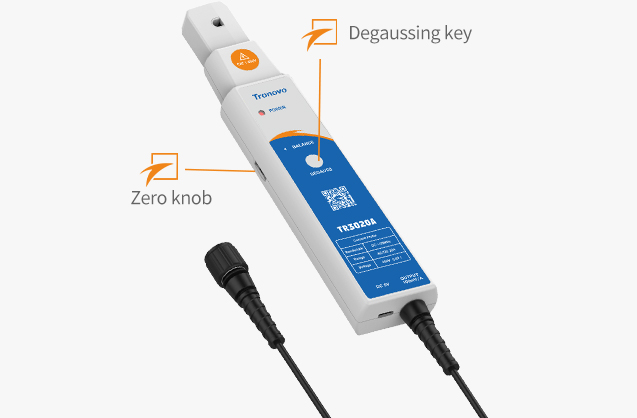 |
Zeroing and degaussingAfter fixing the probe, fine-tune the ZERO knob to compensate the drift caused by DC. The DEGAUSS function clears the saturation magnetization of the iron core and maintains the accuracy of ± 2%. This combination is particularly critical in the continuous operation of the 28A AC of the new energy inverter. Through the "degaussing-zeroing" double calibration (operation interval ≤ 10 minutes), the baseline deviation caused by self-heating is suppressed, and the millimeter-level current resolution of the charging pile efficiency test is guaranteed. |
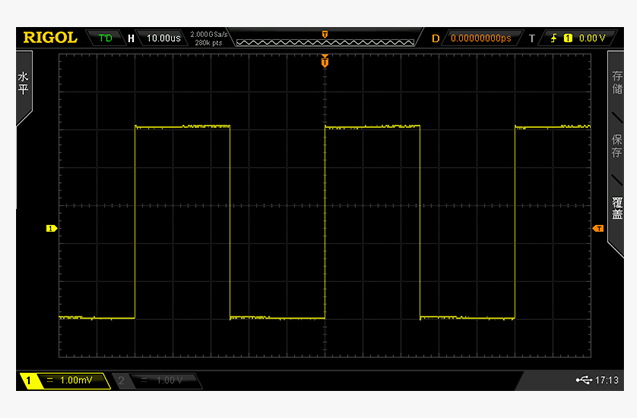
Waveform testWhether it is testing the oscilloscope's own correction signal or the high-frequency square wave output by the signal generator, it can ensure that the flatness error of the rising/falling edge of the square wave is less than 3%, even in the face of the high-frequency square wave, the waveform details can be accurately restored to avoid ringing or overshoot distortion. |
 |
.