

Abstract
High-frequency AC ionizers feature rapid ionization and efficient static elimination, making them core equipment for industrial sectors with strict ESD control requirements such as integrated circuit manufacturing and precision electronic component assembly. Their fixed 70kHz high-frequency output design delivers significantly better ion generation and charge neutralization efficiency than traditional power-frequency devices. However, mainstream Charged Plate Monitors (CPM) show obvious technical limitations in ion balance performance testing due to insufficient response speed and measurement bandwidth, failing to keep up with the fast variation characteristics of 70kHz high-frequency AC signals. ANSI/ESD S20.20-2021 and IEC61340-5-1-2024 standards clearly require testing the peak ion balance voltage of static eliminators. Most mainstream CPMs cannot capture peaks accurately or only provide average value data. Only Tronovo MC158Pro, equipped with a higher sampling rate, can capture more voltage peak fluctuations, while other models miss peak information. By comparing three mainstream CPMs against the core requirements of high-frequency signal measurement and combining actual test data, this paper analyzes the common limitations of CPMs when testing 70kHz high-frequency AC ionizers, and focuses on the measurement differences brought by the sampling rate advantage of MC158Pro, providing references for performance verification of high-frequency static elimination equipment.
1. Introduction
High-frequency AC ionizers are widely used static elimination devices in electronics manufacturing and precision assembly. Their core principle is to use high-frequency high-voltage alternating current to drive discharge needles for corona discharge. During operation, the high-voltage generator built on ceramic transformer technology boosts the input power supply into high-frequency alternating current (usually tens of kilohertz) and applies it to the discharge needle (Figure 1). The discharge needle alternately generates a large number of positive and negative air ions every second, and the fan blows these ions toward the target surface to neutralize static charges. This high-frequency alternating discharge method effectively avoids the premature recombination of positive and negative ions during transportation, a common issue of traditional DC ionizers. It also delivers excellent ion balance performance, stabilizing ion balance voltage within a very low range to prevent reverse breakdown risks. Meanwhile, high-frequency discharge produces high and uniformly distributed ion density, realizing static elimination without dead corners on complex surfaces or narrow spaces. Besides, these devices generate low electromagnetic interference during operation and are friendly to surrounding precision electronics. In terms of structure, the ceramic transformer enables the high-voltage module with small size, high efficiency, strong reliability and non-flammability, greatly improving integration and safety. For maintenance, discharge needles are mostly made of tungsten for stability and wear resistance. Some models are fitted with automatic cleaning brushes to remove dust regularly and extend maintenance cycles. In addition, modern high-frequency AC ionizers generally have alarm indicators for operating status, and RS485 communication modules are optional for remote real-time monitoring, satisfying the intelligent management requirements of smart manufacturing lines.
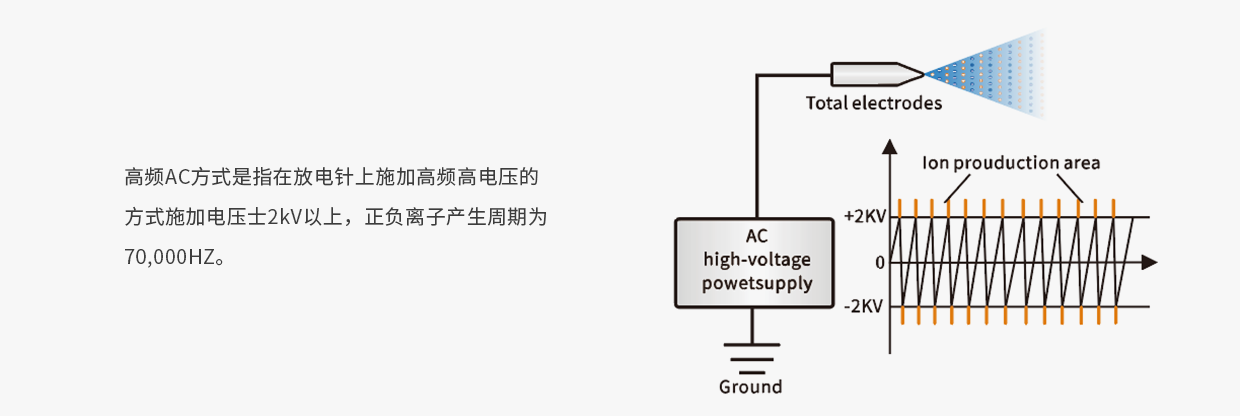
Figure 1: Schematic diagram of high-frequency AC technology principle
2. Conformity Study of Ion Balance Measurement Required by ANSI/ESD S20.20 Standard
Ion balance voltage (offset voltage) is the core indicator for evaluating the static elimination performance of ionizers, which directly determines the control effect of electrostatic discharge risks. ANSI/ESD STM3.1 specifies the test methods and requirements for static eliminators, recommending peak measurement to assess ion balance voltage. This method can fully reflect the neutralization capability and potential risks, avoiding overlooking the critical risk of peak over-limit when only average values are concerned. ANSI/ESD S20.20-2021 further sets a clear peak limit of ±35V for ion balance voltage, which serves as the key performance judgment criterion for high-frequency AC ionizers.
Manufacturers of high-frequency AC ionizers usually claim compliance with standards based on average value data measured by CPM. However, experiments show that the fast polarity switching feature of high-frequency AC signals brings great complexity to ion balance voltage measurement, which affects all mainstream CPMs. Only MC158Pro shows measurement differences thanks to its high sampling rate.
3. Measurement Results of Charged Plate Monitors
To verify the performance differences of different CPM models when testing 70kHz high-frequency AC ionizers and analyze the influence of sampling rate on fluctuation capture, three mainstream industrial CPMs are selected for comparison: Kleinwachter CPM374, Trek 157, Tronovo MC158Pro. The three instruments differ in theoretical specifications, and MC158Pro has a higher sampling rate than the other two, laying the foundation for the comparison of fluctuation capture capability.
Test Setup for High-frequency AC Ionizer and CPM
The test was carried out in a closed cleanroom environment to eliminate external interference from temperature, humidity and airflow, ensuring identical test conditions for all three CPMs. In accordance with ANSI/ESD SP3.5, the 70kHz high-frequency AC ionizer was installed 300mm away from the 15cm×15cm ion collecting plate for ion balance voltage measurement (See Figure 2, Figure 3).
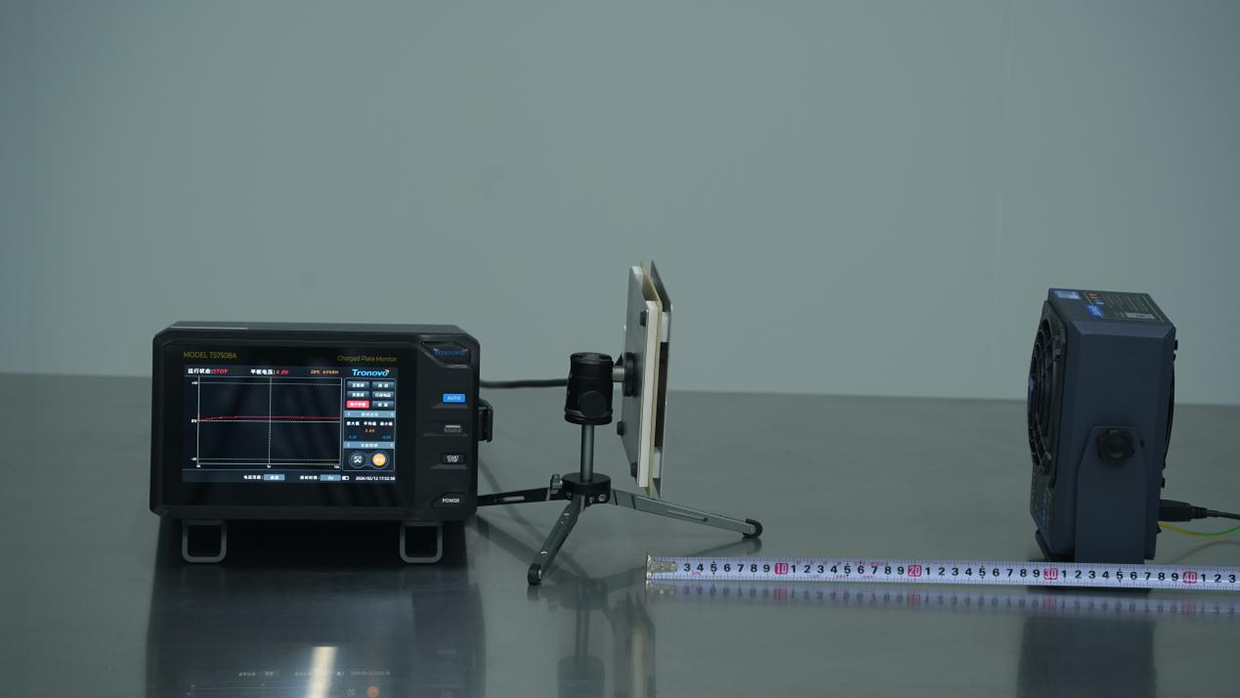
Figure 2: Test setup of high-frequency AC ionizer
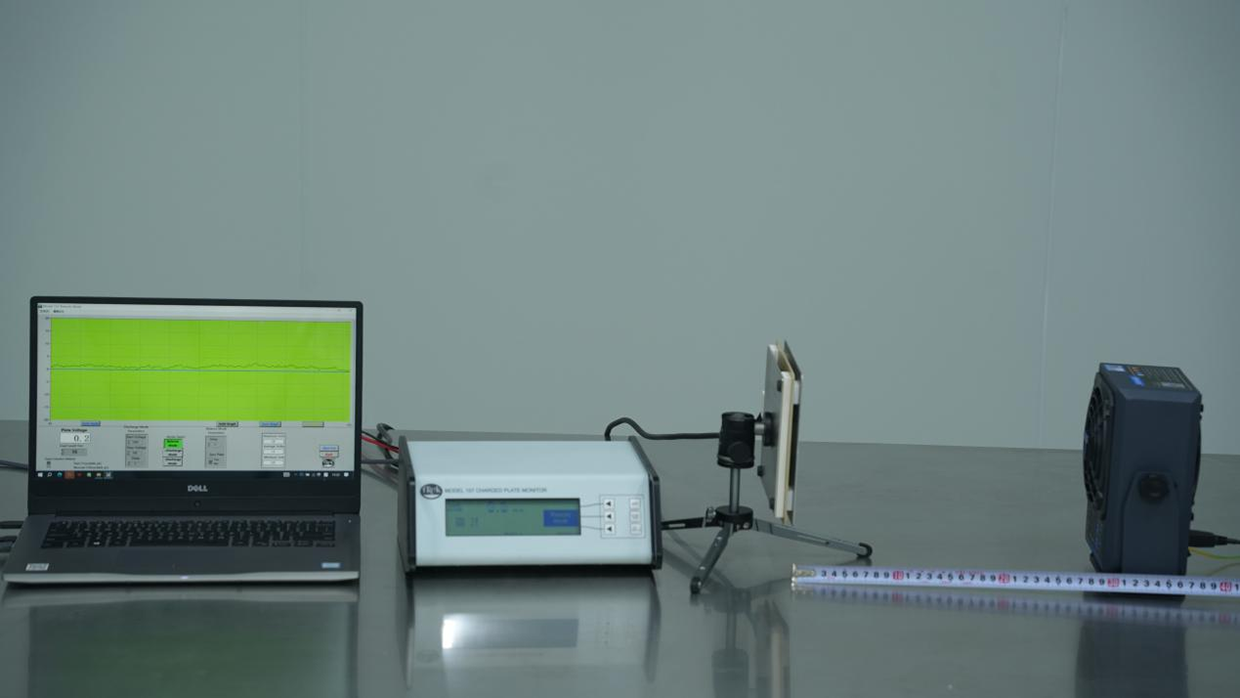
Figure 3: Test setup of high-frequency AC ionizer
1. Test Result of Kleinwachter CPM374
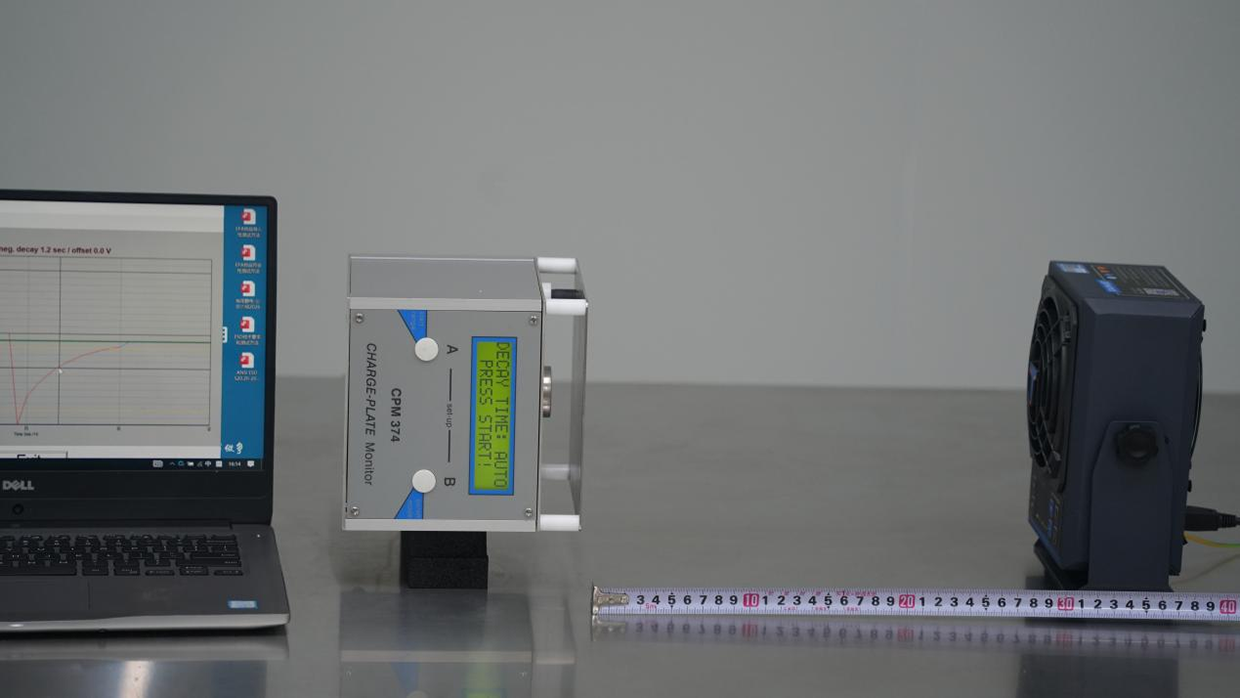
Figure 4: Measurement scene using CPM374 for high-frequency AC ionizer
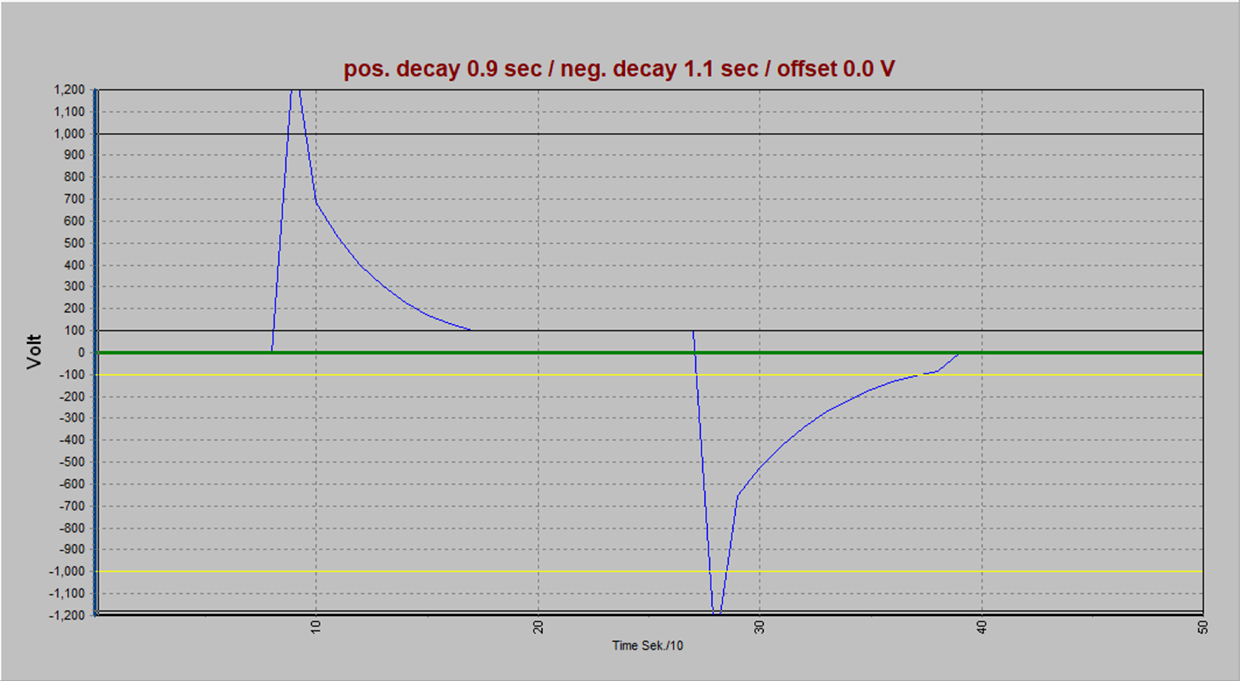
Figure 5: Measurement result of CPM374 on high-frequency AC ionizer
In the test of high-frequency AC ionizer (Figure 4), although the displayed ion balance voltage is close to 0V, no peak fluctuation appears on the waveform (Figure 5). It indicates that the performance limit of the instrument becomes the bottleneck of evaluation. Its inherent response speed, measurement bandwidth and sampling rate cannot cover the frequency range of high-frequency AC signals. Unable to follow such rapid voltage changes, the instrument misses all high-frequency peak voltages that reflect device characteristics, flattening the waveform. This test result fails to capture the real dynamic ion balance status and may mislead judgment on actual performance due to the seemingly ideal 0V reading.
2. Test Result of Trek 157
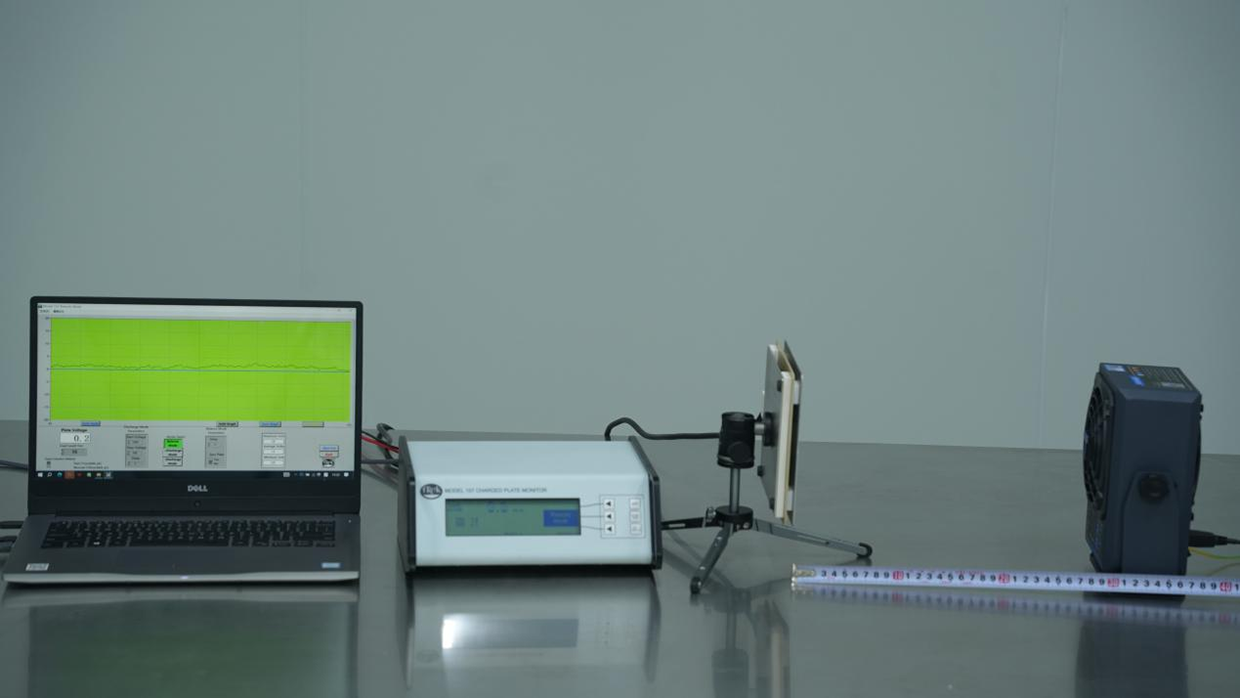
Figure 6: Measurement scene using Trek157 for high-frequency AC ionizer
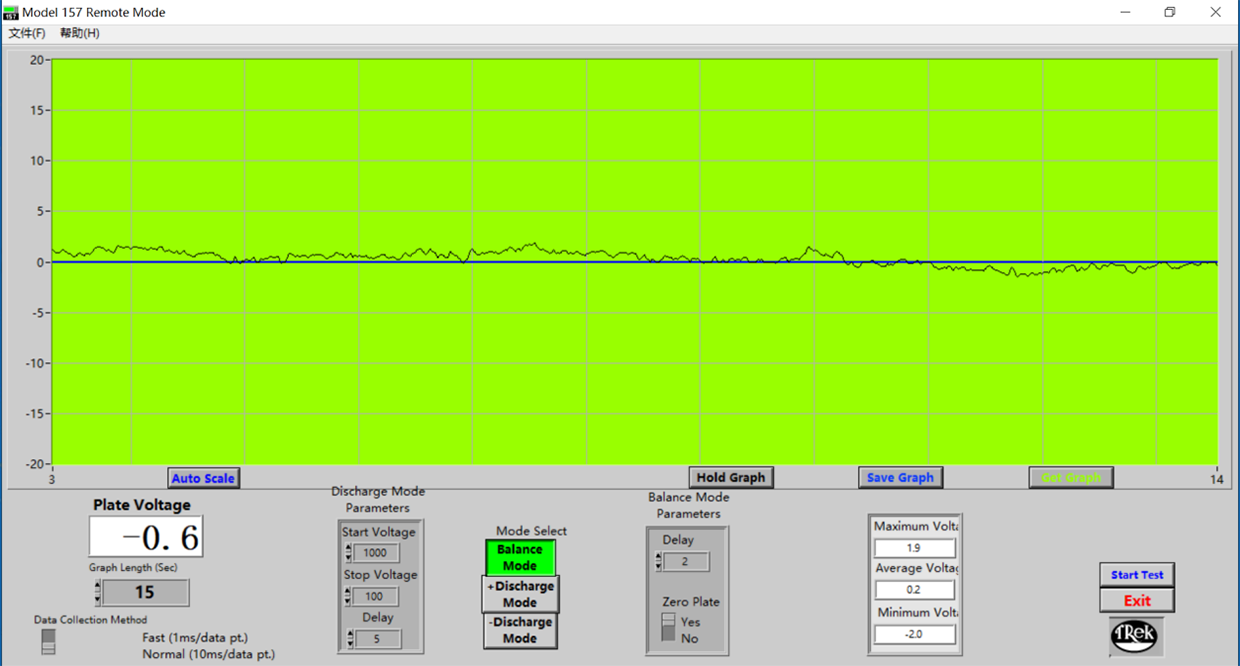
Figure 7: Measurement result of Trek157 on high-frequency AC ionizer
Under identical test conditions (Figure 6), Trek157 can output peak data, yet the result reveals another key problem. The measured average ion balance voltage (0.2V) is basically consistent with CPM374, while the obtained peak value (+1.9V / -2.0V) does not match the fluctuation characteristics of 70kHz high-frequency signals (Figure 7). This means Trek157 supports peak output in function, but its hardware performance (sampling rate and bandwidth) still cannot match the real changing rate of the measured signal. Therefore, the so-called "peak" is actually clipped by the bandwidth limit of the instrument, with obvious systematic error and failure to restore the real transient voltage amplitude of the high-frequency AC ionizer.
3. Test Result of Tronovo MC158Pro
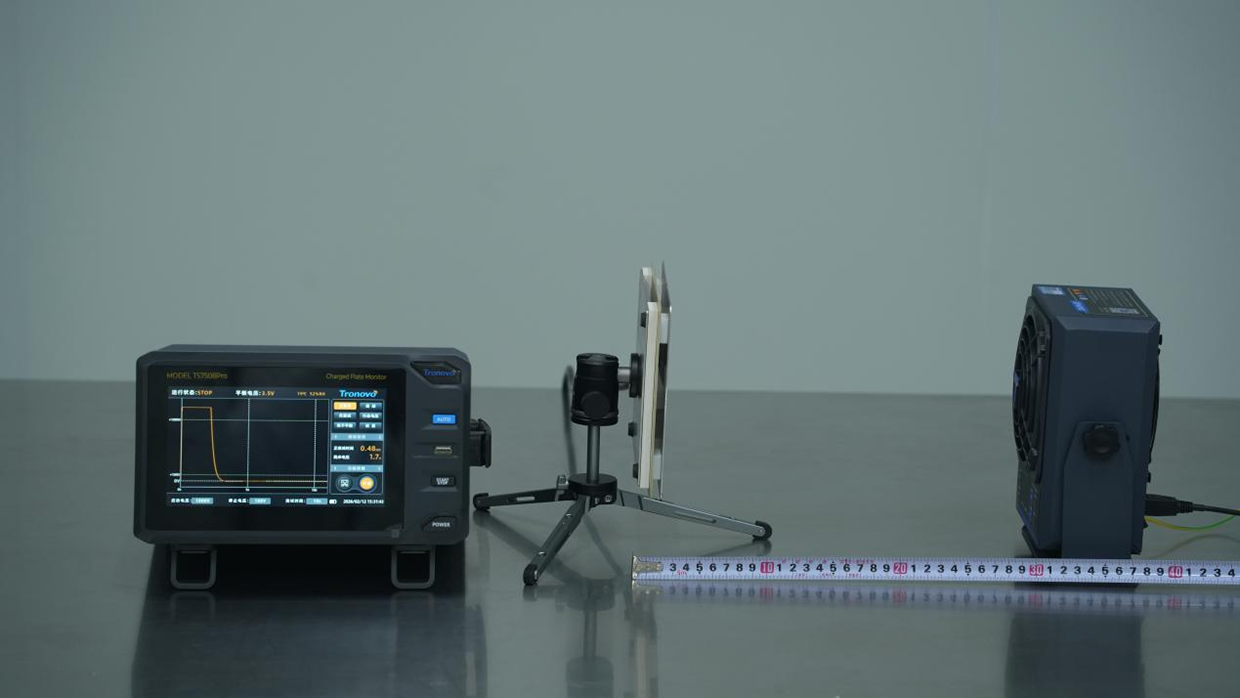
Figure 8: Measurement scene using MC158Pro for high-frequency AC ionizer
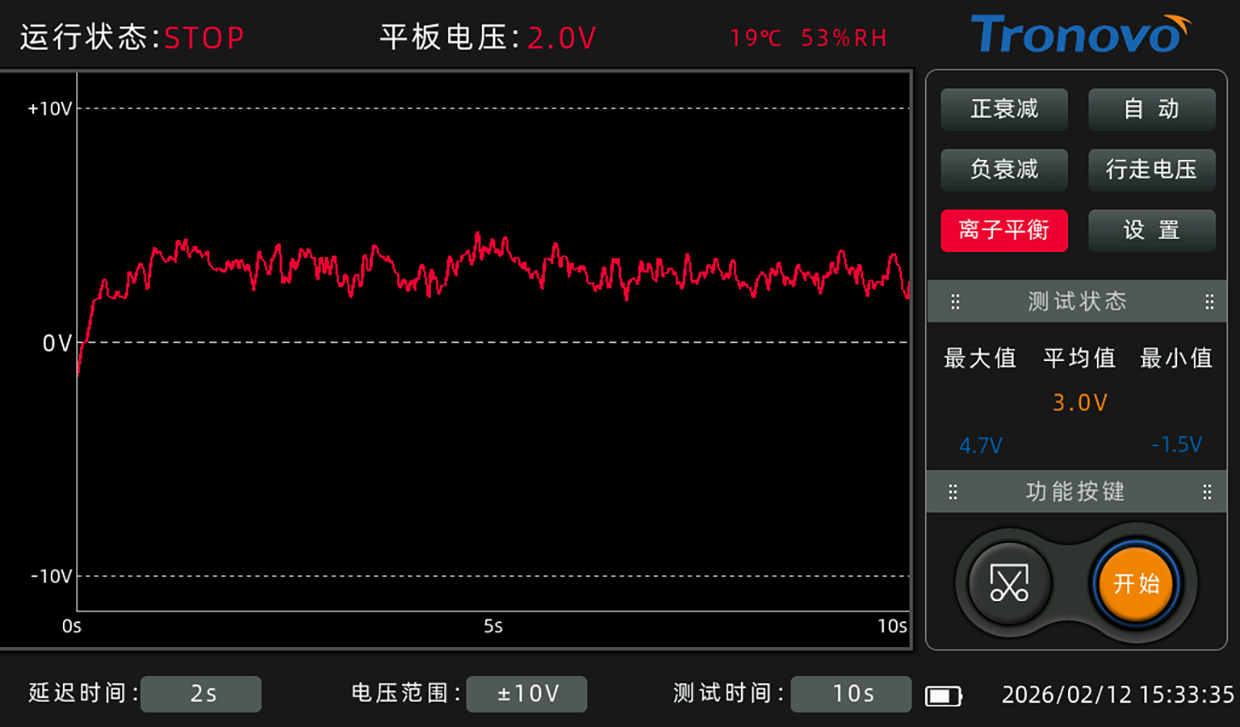
Figure 9: Measurement result of MC158Pro on high-frequency AC ionizer
Without changing test conditions (Figure 8), the test data of MC158Pro proves the decisive role of sampling rate in high-frequency signal measurement. At the average value level (3.0V), MC158Pro is relatively consistent with CPM374 and Trek157. But for dynamic characteristics, MC158Pro shows unique advantages: the captured peak value of +4.7V/-1.5V (Figure 9) and abundant fluctuation details on the waveform directly benefit from the improved transient response brought by its higher sampling rate.
4. Conclusion
Through the comparison test of three mainstream CPMs on 70kHz high-frequency AC ionizers, this study identifies the common technical limitations of existing CPMs in high-frequency ion balance measurement and verifies that sampling rate is the core factor determining the capability to capture high-frequency signal fluctuations. The conclusions are as follows:
a. Restricted by insufficient response speed and narrow measurement bandwidth, mainstream CPMs cannot accurately capture the real ion balance voltage peak and dynamic variation of high-frequency AC ionizers. Systematic deviation exists between measurement results and the actual working status of the equipment.
b. Obvious hierarchy difference exists among different CPM models for high-frequency measurement scenarios: traditional CPMs (such as CPM374) only output real-time readings with low sampling rate and completely miss peaks and fluctuation information. Among CPMs with peak output function, Tronovo MC158Pro can capture more voltage peak fluctuations thanks to its higher sampling rate. It is the only one among the three instruments that can indirectly reflect the non-stationary features of high-frequency signals. Other models (such as Trek157) can output peak data but still have poor fluctuation capture capability.
c. Simply replacing CPM models cannot completely solve the accuracy problem of high-frequency AC ionizer measurement. Selecting high-sampling-rate instruments like MC158Pro can improve fluctuation capture to a certain extent. To achieve accurate testing of ion balance performance for high-frequency AC ionizers, it is necessary to optimize the response speed and measurement bandwidth of CPMs from the principle level and break through current hardware bottlenecks.
Based on the conclusions above, high-sampling-rate and wide-bandwidth test instruments should be prioritized for performance testing of high-frequency AC ionizers and on-site industrial ESD control procedures, to capture high-frequency signal fluctuations and reduce measurement deviation. Meanwhile, industry specifications should define technical indicators such as response speed, sampling rate and bandwidth for CPMs used on high-frequency static elimination equipment as soon as possible, establishing a standardized test system to guarantee the effectiveness of ESD control in high-frequency scenarios. In addition, instrument manufacturers need to accelerate technical upgrading of CPMs, break core hardware limitations and develop static performance testers adapted to higher frequencies to meet the testing demands of high-frequency static eliminators in precision electronics manufacturing.
Next:there is none left